

THE SAMBURU
THE SAMBURU
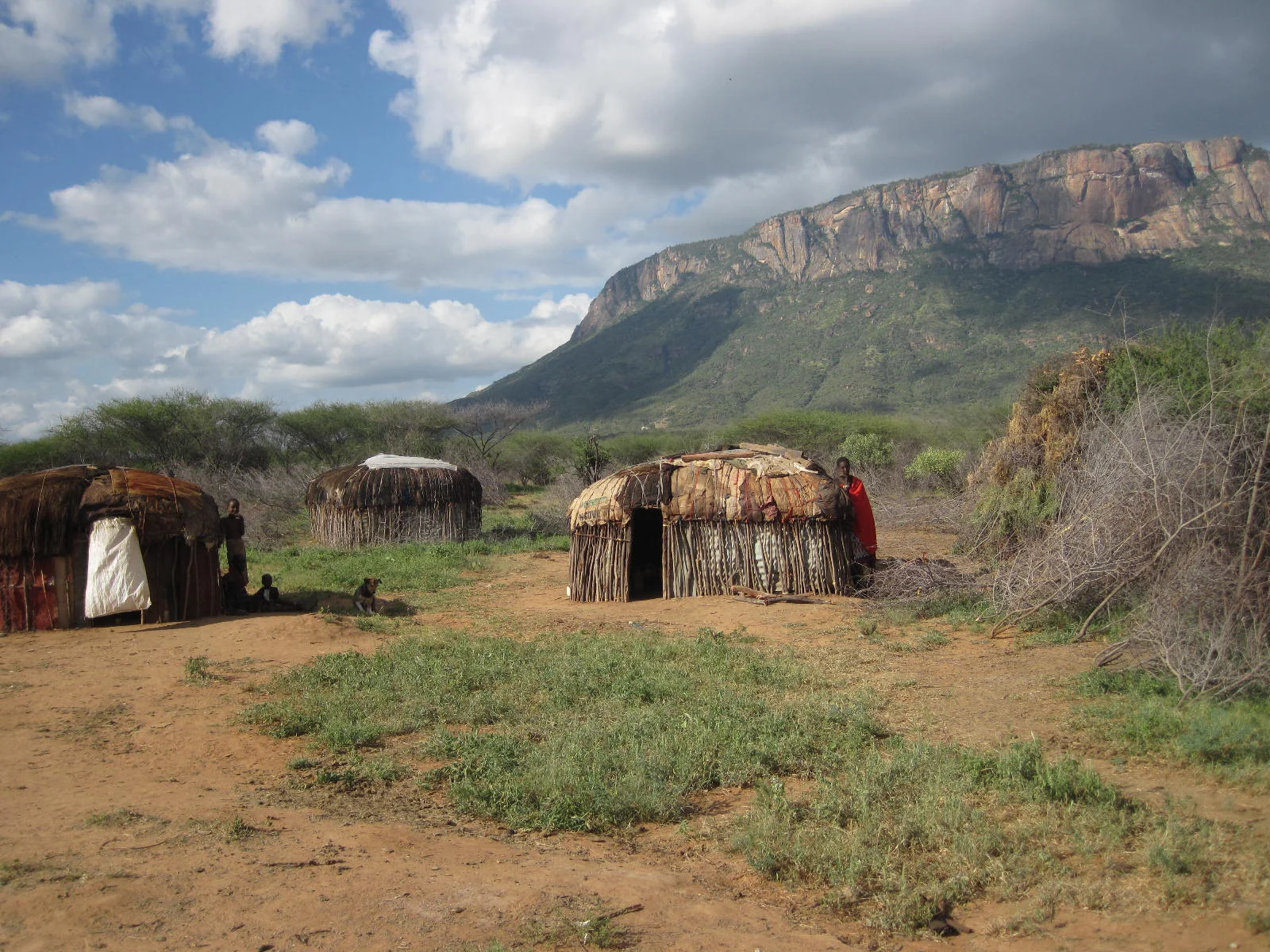
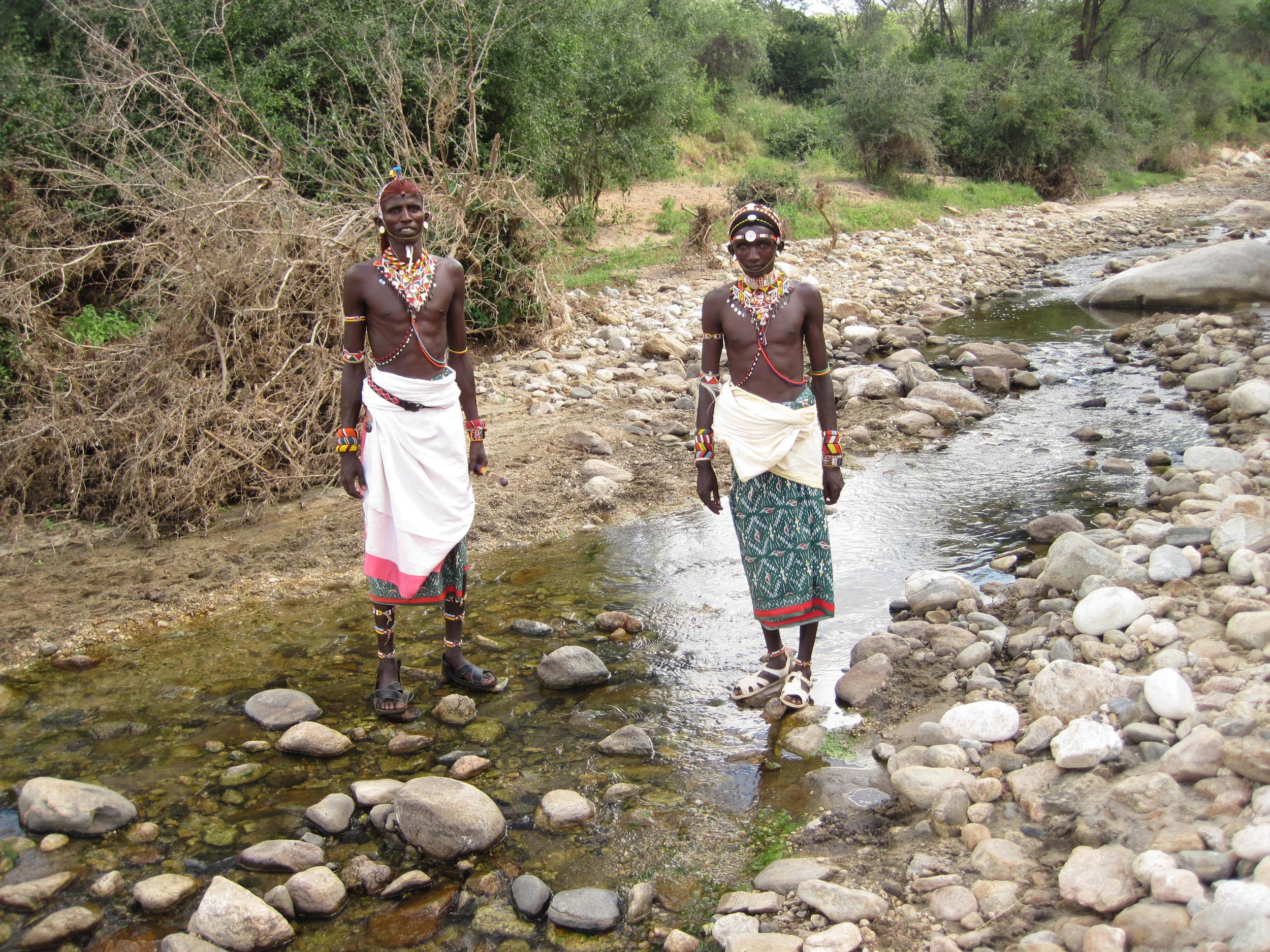
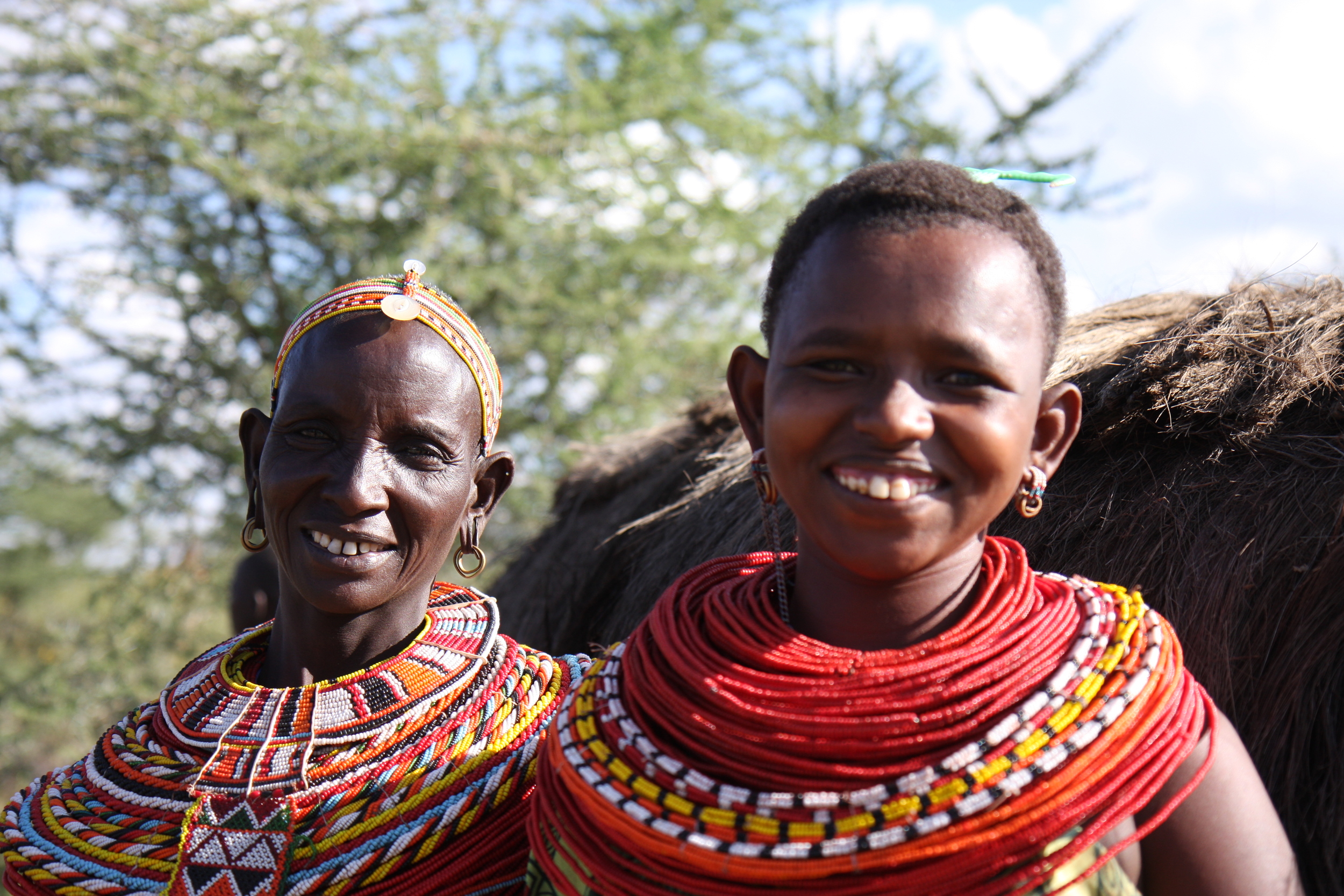
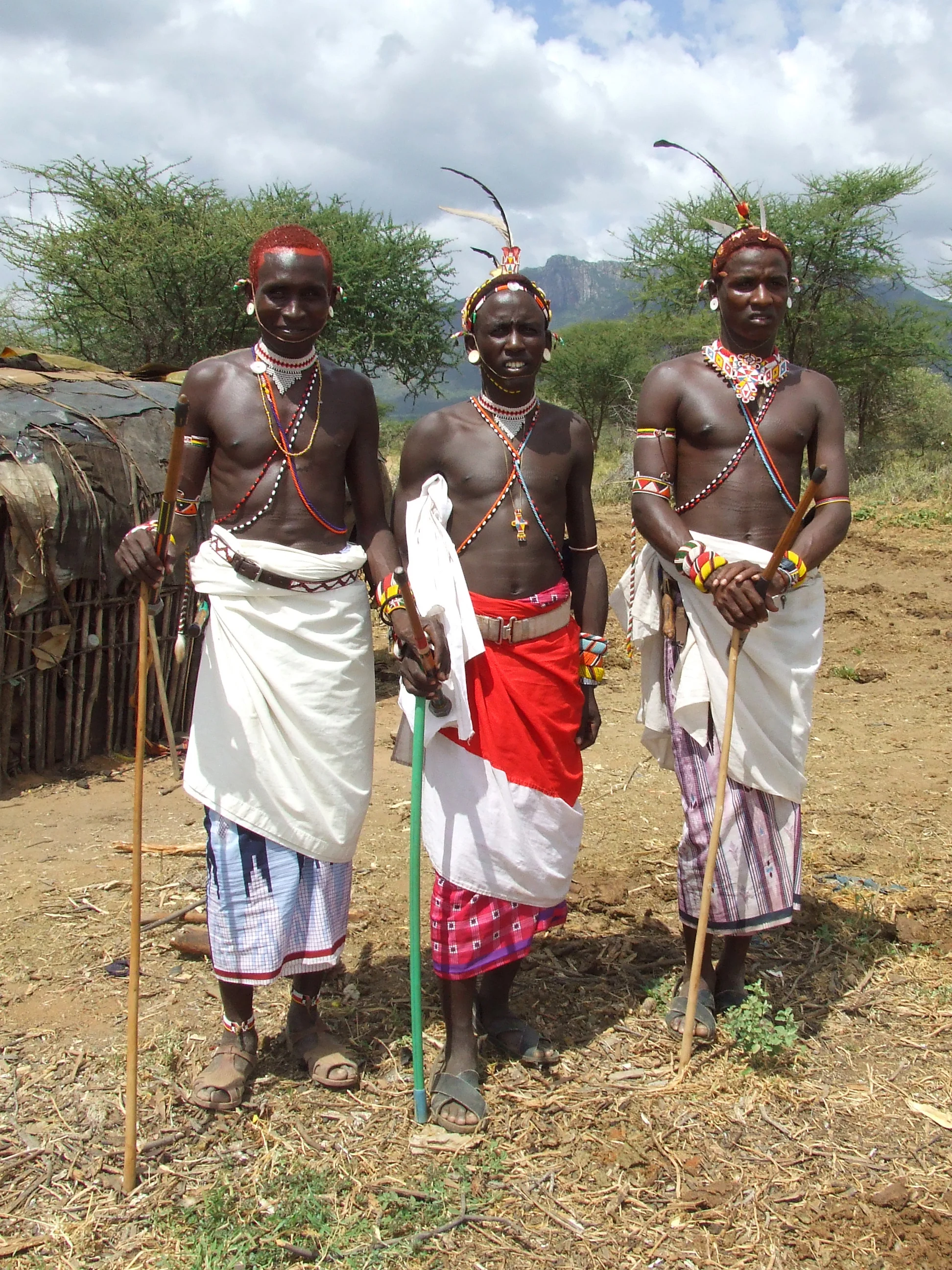
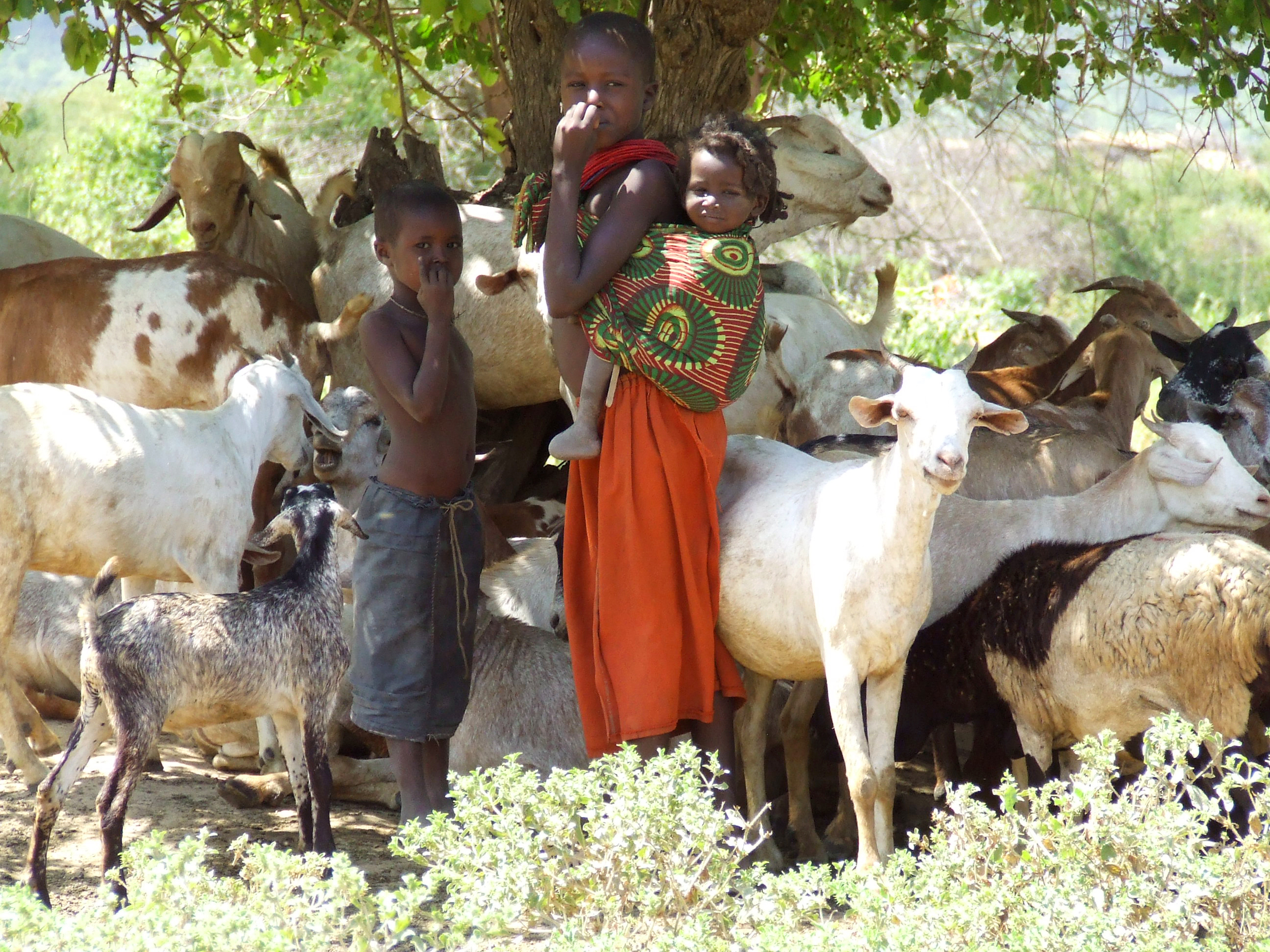
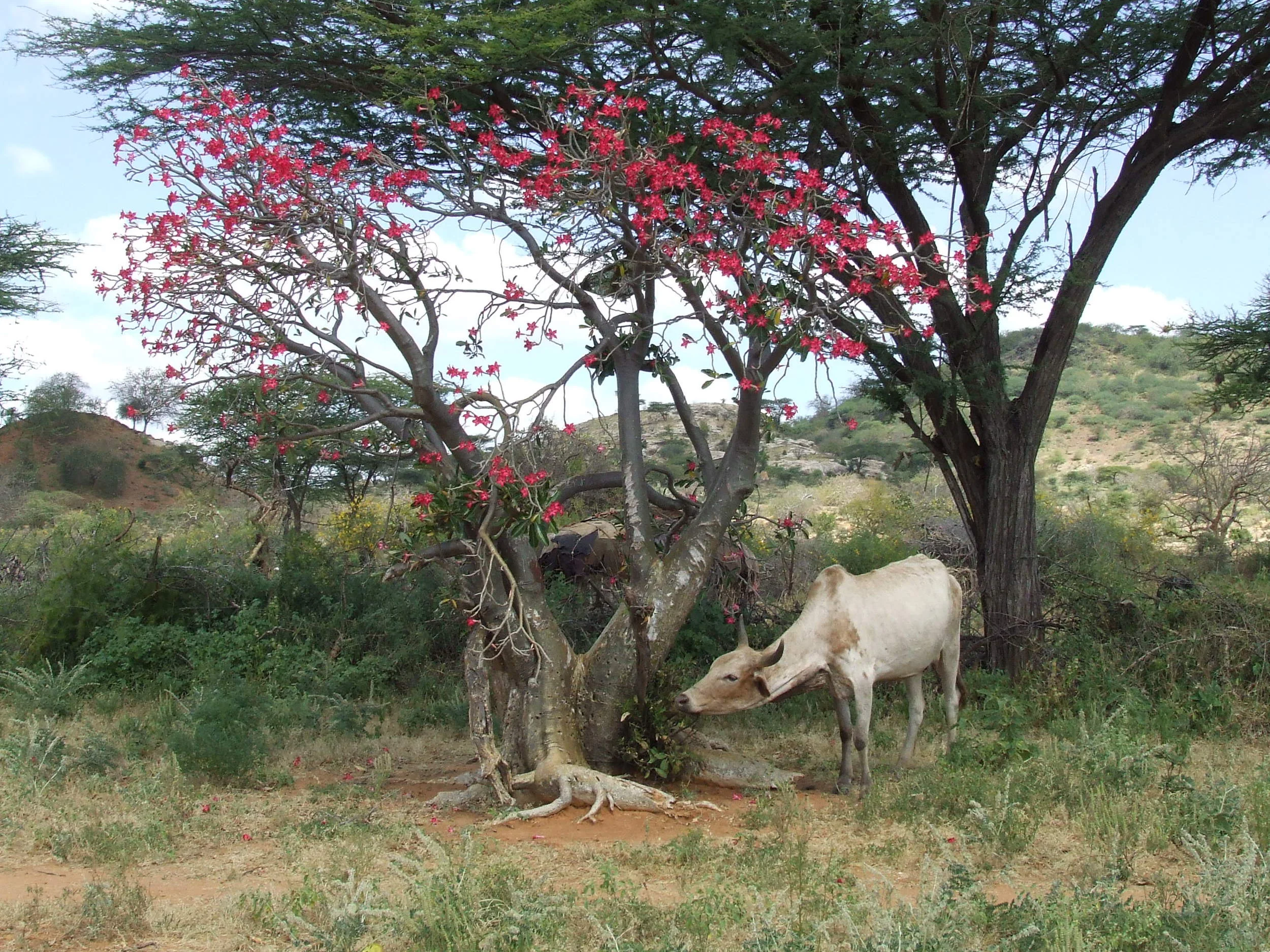
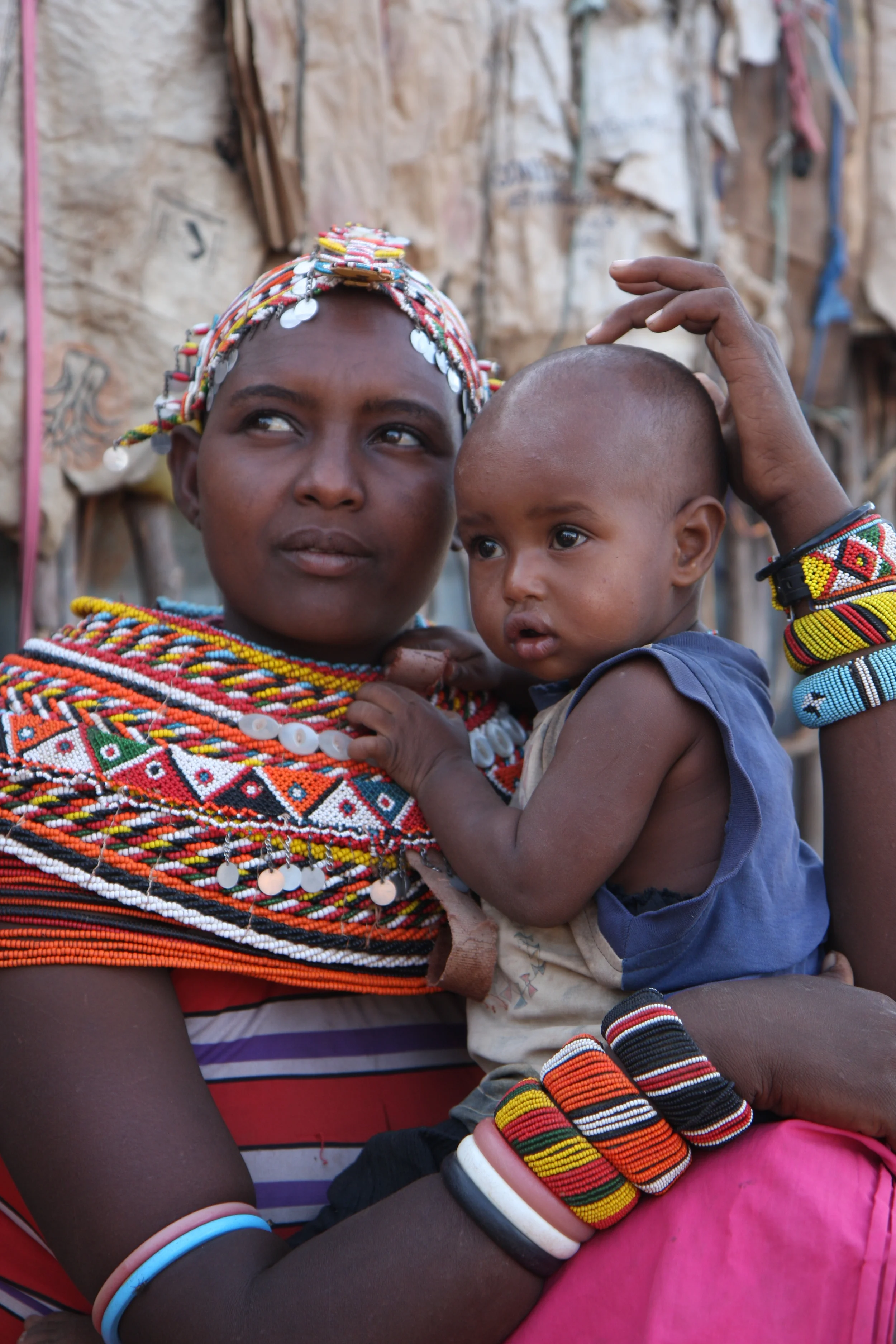
The Samburu are nomadic pastoralists and their way of life is thousands of years old. Traditionally their sole source of food is their animals—cows, goats and camels—and they migrate frequently in search of water and pasture for them.
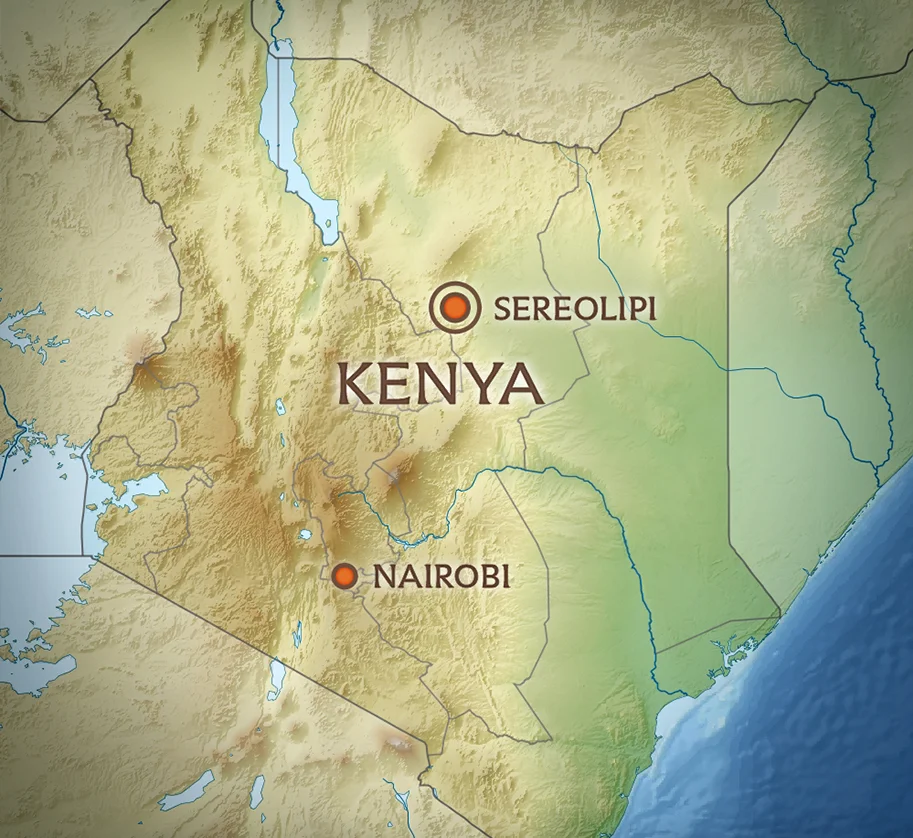
For years, the Samburu in the Sereolipi area have been isolated from the rest of the country. Where they live there is limited access to telephones, electricity, running water, roads, transport or prenatal care.
When we began this project it was the goal of the Samburu elders to have one child in each family to go to school as a way for them to be better equipped for the encroachment of the modern world.
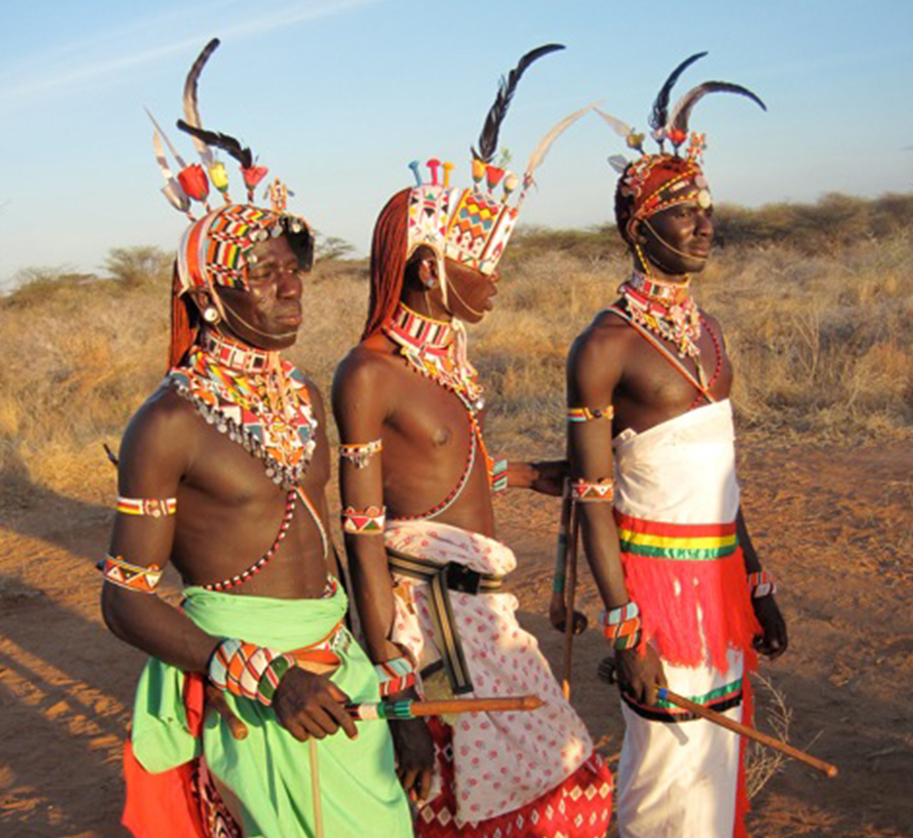

Not all their children could go to school, their way of life depended on passing on to the next generation an immense body of knowledge and experience of how to look after animals in near-desert conditions.
A child that went to school would be able to get a wage-paying job after graduation so they could send money home to help mitigate poverty, particularly in times of drought. They would learn to speak English and Kiswahili enabling them to better communicate with the outside world and gain access to additional resources. They could also return as much-needed nurses, teachers and community workers who knew the community, spoke the Samburu language and would serve the community better.
early results
early results
They recognized that their children with a modern education would lead different lives to the traditional Samburu but that they would be highly valued in the community. They would be expected to take part in all ceremonies and, if they worked away from home, they would return home for all holidays.
In 2013 the very first students who had started school at the Thorn Tree kindergartens in 2002 graduated from trade schools and colleges. These students were the first person in their families to ever go to school. There were 32 of them in 2013, with another 300 plus since then. They all have jobs and send part of their wages home. They have a great sense of duty and responsibility and they are very proud to be able to do this. Many are helping to put their younger siblings through school.
THE BENEFITS OF EDUCATION
THE BENEFITS OF EDUCATION
Employment after education provides a consistent income ensuring that Samburu families can continue their nomadic pastoral way of life
Our graduates include:
Local nurse at Ndonyo Wasin clinic
First female ranger at Samburu National Park with a degree in tourism
Associate of BOMA, a micro-finance organization helping women to start small businesses
A local high school English teacher
Mechanic at Kenya's largest grain farm
Ranger at the Rhino Sanctuary in Sera
IT manager in Nairobi
Manager of the Reteti elephant orphanage
Local motor bike taxi driver who is able to ferry old and sick community members
Local mason constructing houses
Restaurant and shop owner
Ndonyo Wasin grade school Math teacher
Administrative Assistant at Ndonyo Wasin grade school
Chef at Sarara, a 5 star lodge
National Youth Service member
Security Manager at one of Nairobi's largest shopping malls